
Horror Tale 2: Samantha
Euphoria Horror GamesAdventure
4.6781.00 Reviews
- Version
- 1.3.7
- Installs
- 10.00M
- Age Rating
- Teen
Screenshots
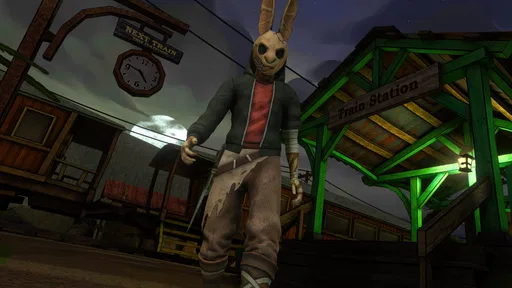
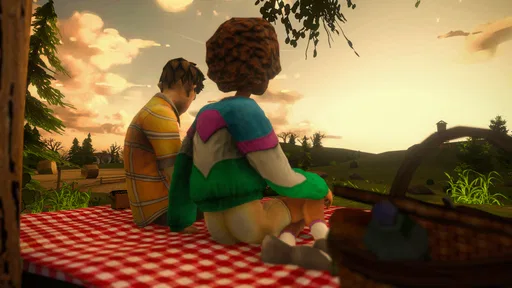
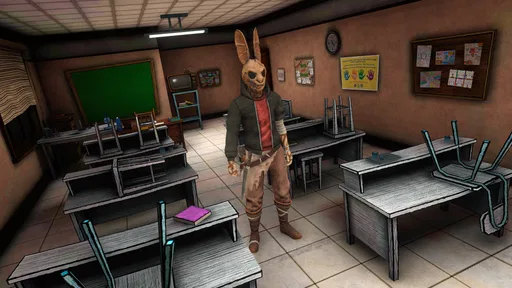
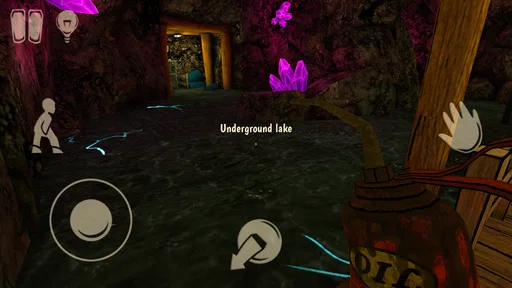
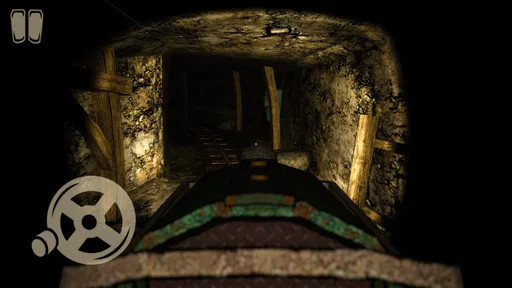
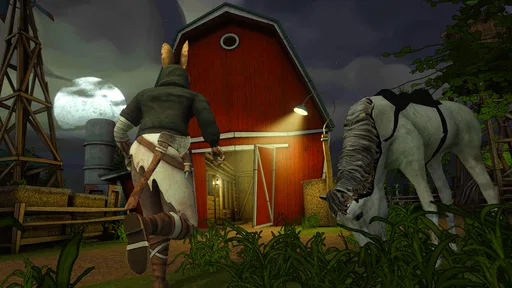
Our Review of Horror Tale 2: Samantha
 Analysis by Appyee
Horror Tale 2: Samantha is the kind of adventure game I would suggest to someone who wants a tense mobile horror experience without paying before trying it. I played it as a story-driven escape adventure rather than a conventional action game, and that distinction matters: the appeal comes from exploring unsettling places, following clues, and dealing with pressure, not from building a powerful character or competing on a leaderboard.
Developed by Euphoria Horror Games, it continues the world of Tom and his friends with a darker, more focused mystery. The game is free to download, carries a Teen content rating, and has reached over ten million installs. Those details make it easy to approach, but they do not automatically make it suitable for everyone. The atmosphere is designed to unsettle, and younger players or anyone who dislikes chase scenes, frightening imagery, or sudden tension may find it uncomfortable.
What I like most is that the game understands the difference between being scary and simply being noisy. Its strongest moments come from wondering what is around the next corner, deciding whether it is safe to investigate, and trying to remember a clue while the situation becomes more dangerous. It feels closer to an interactive horror tale than to a quick arcade distraction.
How the mystery works when progress starts to feel personal
The central draw is the continuation of Tom’s adventure, with Samantha at the heart of the experience. I found the story easier to enjoy when I treated each location as part of a mystery instead of rushing from one objective to the next. The game encourages attention: a room may matter because of an object, a path may become useful later, and a small detail can change how I understood the situation.
This creates a useful rhythm for mobile play. I could begin with a short session, examine the environment, solve part of a problem, and stop at a natural pause. At the same time, horror games are not always relaxing in the usual mobile sense. A ten-minute break can still leave me tense if I stop immediately before a pursuit or a difficult decision.
My practical advice is to play with headphones only when you are comfortable with a stronger atmosphere. Sound can make environmental clues and threats easier to notice, but it also makes the game feel much more intense. If you are playing late at night, lowering the volume and keeping the screen brightness comfortable is sensible. This is not a game I would hand to a child simply because it is free; the Teen rating is important context.
The pressure comes from uncertainty rather than from managing a complicated inventory or building a competitive loadout. I had to think about where I had already been, which areas seemed suspicious, and whether moving forward was worth the risk. That makes observation more valuable than reflexes in many moments. Players who enjoy connecting clues will probably get more from it than players who want constant combat.
Why careful exploration matters more than rushing
One non-obvious strength is how the horror changes when I stop treating the environment as decoration. In a typical mobile action game, I can often run toward a marker and let the interface tell me what matters. Here, that approach can make the experience feel confusing and less rewarding. I got better results by pausing at room entrances, checking unusual objects, and remembering the route back to safer-looking areas.
That habit also reduces frustration. When I rushed, I was more likely to miss a useful clue or enter a tense sequence without understanding what I was supposed to do. When I slowed down, the game felt less like trial and error. It still demands patience, but the patience has a purpose: the setting becomes part of the puzzle.
Another useful approach is to separate story progress from personal progress. I did not always solve something on the first attempt, but I learned the layout and recognized patterns in the environment. That knowledge made later attempts feel more deliberate. The game benefits from this kind of memory, so someone who dislikes repeating a section after a mistake may need to decide whether the atmosphere is worth the friction.
There is also a trade-off between immersion and convenience. Horror works best when I am not constantly checking outside distractions, yet mobile notifications, a small screen, or playing in a bright room can weaken the mood. For a better session, I would close unnecessary apps, use a comfortable grip, and play when I can give the story uninterrupted attention. Those are simple changes, but they matter more here than they would in a casual puzzle game.
Spending, progression, and the question of fairness
The game is free, with in-app purchases listed at $1.49 per item. That gives the entry point a clear advantage: I can see whether the tone and pacing suit me before spending anything. I also appreciate that the purchase information is straightforward enough to set expectations. Still, a free download with optional purchases deserves a little discipline, especially for younger players using a shared device.
I would not approach the purchase system as a reason to improve competitive performance. This is an adventure designed around its story and tension, not a contest against other players. There is no meaningful advantage to buying something merely to appear stronger than another person. The sensible question is whether an optional item improves convenience or enjoyment for you, rather than whether it is necessary to keep up.
Because the listed purchase price is per item, I would make a rule before playing: try the game first, decide whether you genuinely want extra content or assistance, and avoid buying during a frustrating moment. Horror games can create pressure by making the next step feel urgent. That emotional pressure is exactly when I prefer to pause and think rather than spend automatically.
From a fairness perspective, the important point is that the game’s value is personal and story-based. A purchase cannot make another player lose, and there is no competitive ladder for spending to distort. That makes the monetization less troubling than it would be in a multiplayer game where paid advantages affect everyone. Even so, families should use the device’s purchase controls if children can access the game.
The game has an average rating of 4.6 from around 53 thousand ratings, which suggests that many players enjoy the experience. I treat that as useful context rather than a guarantee. Ratings cannot tell me whether the specific horror style, puzzle pacing, or intensity will work for me. The more relevant test is whether I like atmospheric exploration and story-led scares.
What the game does well compared with usual mobile alternatives
Compared with endless runners, match-three games, and short arcade horror titles, this adventure asks for more attention. It is not ideal when I want something I can play with the sound off while waiting in line. Its strengths appear when I can follow a narrative, inspect a setting, and allow suspense to build.
Compared with a traditional console horror game, the mobile format is more convenient but can feel less comfortable for long sessions. A phone screen makes it easy to play anywhere, yet touch controls and limited space can become tiring. I would choose this game over a larger, more demanding horror title when I want a portable story experience. I would choose a console or computer alternative when I want richer control, a larger display, or a longer uninterrupted session.
It also differs from horror games that rely mainly on combat. Here, the appeal is not simply defeating enemies and collecting upgrades. The tension comes from vulnerability, discovery, and uncertainty. That makes the game a better fit for players who enjoy being unsettled than for players who want to feel dominant.
One of the clearest use cases is a quiet evening when I want a focused game rather than a social one. I can play alone, pay attention to the story, and stop after reaching a natural point. A less suitable scenario would be a crowded commute with poor concentration, because missing a clue or playing without sound can make the experience feel more confusing than frightening.
Where the experience may frustrate you
The same slow attention that makes the game atmospheric can make it feel less immediate. If I want constant action, I may interpret exploration as waiting. Some players will enjoy checking spaces and piecing together events; others will feel that the game is delaying the exciting part. That is not a flaw for everyone, but it is a real dividing line.
Horror also depends heavily on mood. If I am tired, distracted, or already uncomfortable with suspense, the pressure can become irritating instead of entertaining. I would skip it if I wanted a cheerful game, a competitive multiplayer session, or a title that can be understood instantly without remembering earlier details.
Another limitation is that a mobile horror game can be sensitive to the way it is played. A small display, interruptions, weak audio, or an uncomfortable touch setup can reduce the impact. I would test it during a short session before deciding whether it deserves a permanent place on my phone. The game is free, so that trial costs time rather than an upfront purchase.
The current version is 1.3.7, and it supports devices running Android 7.0 or later. For someone using an older phone, checking compatibility before planning a long session is worthwhile. On a supported device, I would still keep some storage and battery available, because horror loses its effect quickly if I have to stop for technical or practical reasons.
Who should play, and who should choose something else
I would recommend it to fans of narrative horror, environmental puzzles, and adventures where remembering details matters. It is especially suitable for someone who wants a free starting point and is comfortable deciding later whether optional purchases add enough value. The large install base and strong average rating make it an easy title to try, but personal taste remains more important than popularity.
I would not recommend it to someone seeking a calm bedtime game, a fast competitive challenge, or a heavily action-focused experience. I would also be cautious about younger players because the Teen rating is not just a label to ignore; the mood and frightening situations are central to the game’s identity.
For parents, the practical decision is less about the download price and more about supervision. The game costs nothing to start, while individual in-app purchases are listed at $1.49. I would review purchase access on the device, explain that free installation does not mean every optional item is free, and let the player try the opening experience before making any decision.
For returning players, the continuation angle is likely to matter more than it does for newcomers. I found the premise easier to appreciate when I was willing to follow the characters and atmosphere rather than expecting a disconnected collection of scares. New players can still approach it as an adventure, but anyone who strongly values story continuity should begin with patience instead of skipping through the setup.
My trust verdict after weighing the unknowns
I see Horror Tale 2: Samantha as a fair free-to-start horror adventure whose main value comes from atmosphere, exploration, and the mystery surrounding Tom and his friends. The purchase model is easier to accept because the game is not built around competitive advantage, while the modest listed price per item gives players room to decide gradually.
I would still avoid making a purchase before understanding how much I enjoy the pacing. The game’s best qualities are not instant gratification or technical spectacle; they are the gradual feeling that a place is hiding something and that my next decision could put me in danger. If that sounds appealing, the free entry point makes trying it reasonable.
My final recommendation is simple: play it with attention, use sound when you want the full atmosphere, and resist spending merely because a tense moment makes you impatient. Choose another game if you want constant action or a relaxed background experience. For players who enjoy a portable mystery with genuine horror pressure, this adventure is worth a careful try.
The fairest way to judge it is to let the story earn your attention before letting any optional purchase earn your money.
Verdict
Strengths of Horror Tale 2: Samantha
- Atmospheric locations make exploration feel tense and unpredictable.
- Puzzle variety keeps progress from relying on simple item collection.
- The story adds meaningful context to Samantha’s disappearance.
- Sound effects provide useful clues during stealth sections.
- Works well for players who enjoy short, focused horror adventures.
Limitations of Horror Tale 2: Samantha
- Some puzzles may feel unclear without experimenting with every interactable.
- Enemy encounters can become repetitive after several attempts.
- The darker scenes may be difficult to see on low-brightness screens.
- Progress can feel slow when searching for one missing object.
- Performance may vary on older phones during detailed scenes.
Other Releases by Euphoria Horror Games
View All
Horror Tale 1: Kidnapper
Adventure4.7

Mist: Offline Zombie Survival
Role Playing4.4
Similar Picks in This Category
View All
Roblox
Roblox Corporation4.2

Pokémon GO
Niantic, Inc.3.5

Ninja warrior: legend of adven
TOH Games4.6

Ninja Arashi
Black Panther4.6

Eyes - The Horror Game
Fearless Games sp. j.4.5

Critical Action:Gun Strike Ops
FPS Shooter & Action Game4.3
Frequently Asked Questions
What is Horror Tale 2: Samantha about?
Horror Tale 2: Samantha is a story-driven horror adventure that continues the events of the first game. You explore unsettling locations, solve environmental puzzles, uncover clues about Samantha and the surrounding mystery, and try to survive encounters with threatening characters. The game combines exploration, suspense, stealth, and narrative discovery, making it more focused on atmosphere and investigation than constant combat.
Is Horror Tale 2: Samantha suitable for children?
Although the game may use a stylized or cartoon-like visual design, Horror Tale 2: Samantha is still built around horror themes, danger, kidnapping-related mystery, tense chases, and disturbing situations. Younger players or people who are sensitive to suspense may find some scenes uncomfortable. Parents should review the store rating and content information before allowing children to play, especially when headphones are used.
Can Horror Tale 2: Samantha be played offline?
The main adventure is generally designed as a single-player experience, so much of the gameplay can be enjoyed without an active internet connection after installation. However, internet access may still be required for the initial download, updates, advertisements, cloud-related features, or certain store services. Offline behavior can also vary between Android and iOS versions, so checking the current store description is recommended.
Does Horror Tale 2: Samantha contain advertisements or in-app purchases?
The availability of advertisements and optional purchases may depend on the platform, region, and version currently distributed through the app store. Free versions of mobile horror games commonly include advertising or offer ways to remove it, while some features may require payment. Before downloading, review the Google Play or App Store listing for pricing, purchase details, and any recent changes to the monetization system.
What device is needed to run Horror Tale 2: Samantha smoothly?
Horror Tale 2: Samantha requires a compatible Android or iOS device with enough free storage, updated system software, and reasonable graphics performance. Older phones may experience longer loading times, reduced frame rates, or occasional crashes, particularly in detailed areas. Because minimum requirements can change with updates, check the official store listing for the exact supported operating-system versions and available storage recommendations before installing.
Play our best games!


